

When people see someone winning, they want in. That’s exactly what happened once word spread that I was making serious pocket money from selling snacks. Before long, a few other students tried to copy what I was doing. Some thought they could grab a multi-pack from the shop and instantly compete. But what they didn’t realize was that this hustle wasn’t just about the snacks—it was about how you delivered.
Most of these rivals didn’t last long. Some stocked the wrong items—things no one actually wanted. Others priced too high, or worse, too low and couldn’t cover their costs. A few of them were simply unreliable. Kids might have bought from them once, but they didn’t stick around. Meanwhile, I kept showing up day after day with the good stuff—Red Bulls, Chupa Chups, crisps, sweets—the things people actually wanted.
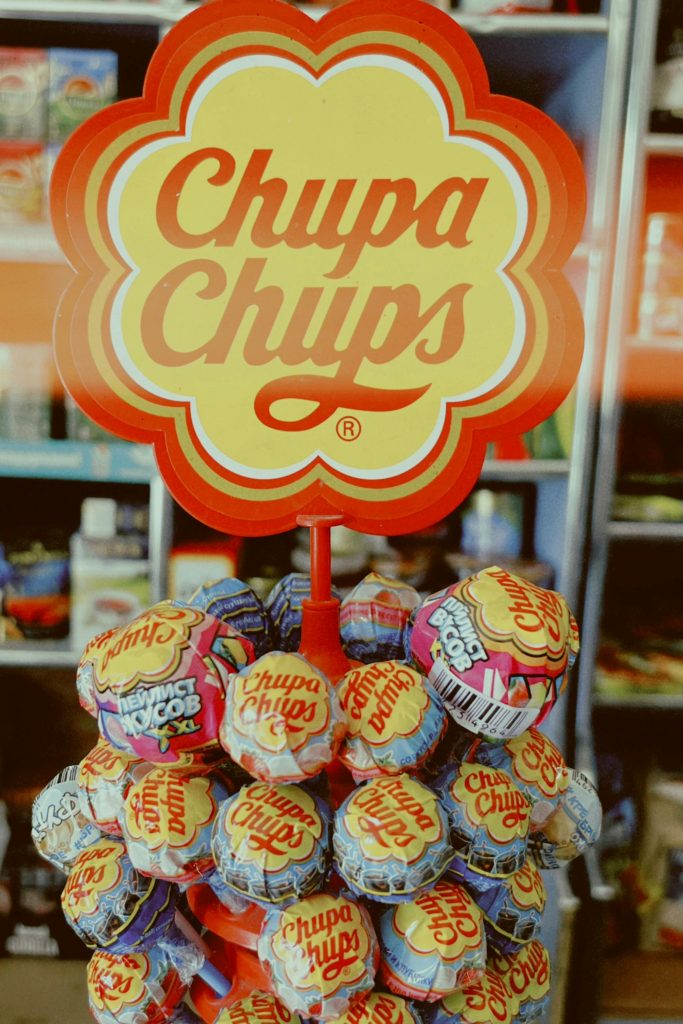
It was around this time I realized something powerful: consistency builds trust, and trust builds loyalty.
I didn’t panic when competitors showed up. Instead, I stayed steady. I kept my quality high, my prices fair (but flexible), and my vibe low-key. I had learned by now that part of my appeal was how I sold—never pushy, always chill, always stocked. This taught me something bigger than schoolyard economics: leadership is often quiet, not loud.
Still, the pressure was real. There were turf disputes—kids arguing over who could sell what in certain spots. There was snitching, of course. And the school was beginning to notice that something bigger than pocket-money deals was happening. But I stuck to my formula.
The funny thing is, when you run something well, people want to work with you. Some of the kids who tried to compete ended up becoming helpers instead—moving product for me, tipping me off when teachers were watching, or helping restock. I was unknowingly building a team.

But this chapter wasn’t just about business—it was about reputation. There’s a line every young hustler crosses where money stops being the main motivator and status takes over. I started to feel proud of how I was perceived. I wasn’t just the snack guy—I was the guy who could be counted on. The guy who had his own thing going. That kind of street-level reputation was currency in itself.
In the real world, reputation is your brand. You protect it at all costs. You earn it every day. And once it’s built, it opens doors that money can’t.