

At school, I quickly realized that selling isn’t just about talking fast or pushing your product—it’s about positioning yourself smartly and letting the product do the selling for you. I didn’t have to pitch or chase anyone. Instead, I focused on being consistent and reliable, and word of mouth did the heavy lifting.
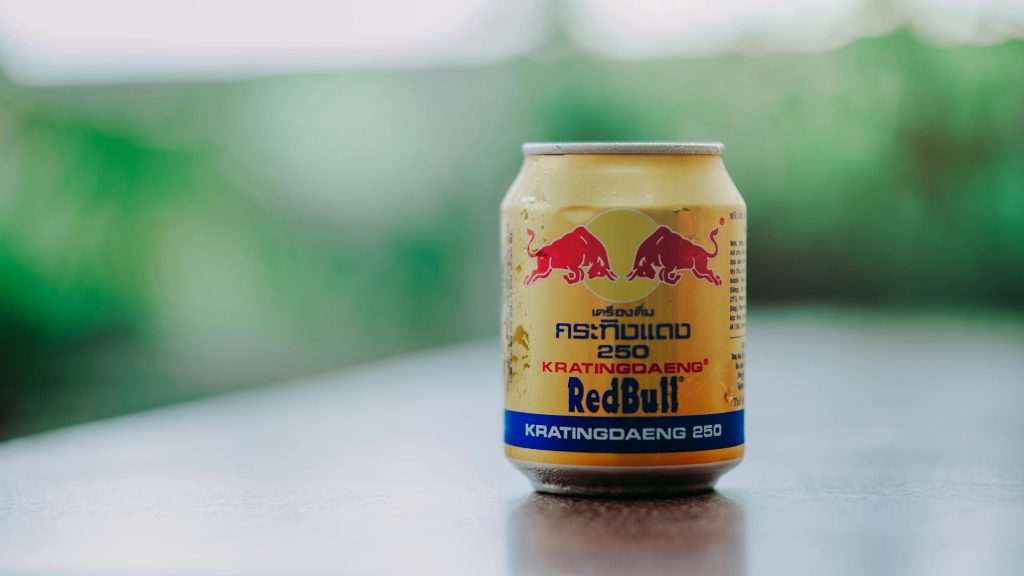
One of my biggest secrets was building a loyal customer base. Take the Red Bulls, for example. These were the ultimate “must-have” item. Some kids were so hooked on the caffeine kick that if I didn’t have them one day, they’d practically freak out like junkies craving their next hit. That kind of demand made me the go-to guy, and I capitalized on it.
I experimented with all sorts of deals, too, but nothing too formal. Usually, if someone came up and asked, “What can I get for £5?” I’d whip up a custom mix of snacks tailored to what I knew they liked, making them feel like they scored a sweet deal. Meanwhile, I made sure to keep my profit margin above 50% on every sale. It was a win-win—customers felt like they were getting value, and I kept the business growing.
Another trick was creating scarcity without much effort. Everyone knew that whatever I brought to school was all I had for the day. When my backpack was empty, that was it. No last-minute restocks. This scarcity made the snacks feel exclusive, so kids rushed to buy early, fearing they’d miss out. Scarcity, I learned, can be a powerful sales tool.
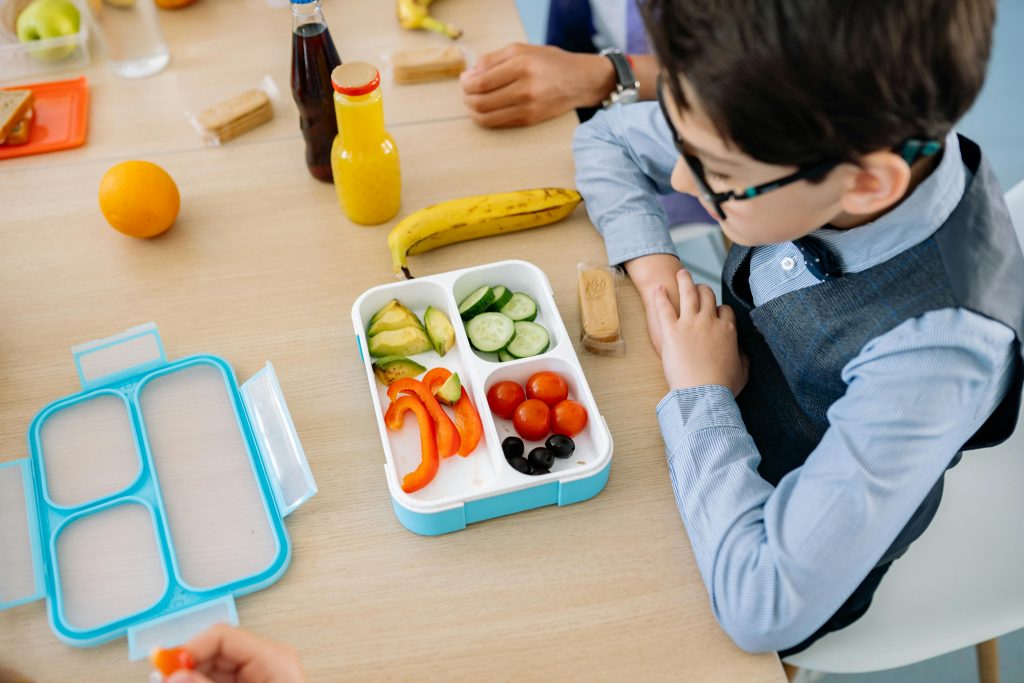
What really set me apart from the school canteen was the product range. The canteen pushed healthy options—fruits, salads, and low-calorie nonsense no kid really wanted. I offered everything forbidden—sweets, crisps, energy drinks—the “naughty” stuff that was actually exciting. When you’re 14, that’s gold.
But it wasn’t just about the snacks. I was becoming a brand, even if I didn’t call it that back then. I was known for having what you wanted, for being reliable, and for making you feel like you were getting a deal. If you wanted something tasty and off-limits, I was the guy.
Sales weren’t always formal, either. Most transactions happened naturally as kids approached me, confident I’d have what they wanted. I didn’t need to hard-sell or pressure anyone. It was a low-key hustle where being cool and consistent did the trick.

Looking back, this chapter of my journey taught me one of the most important business lessons: selling isn’t about the hard pitch; it’s about being the solution people seek. Build trust, keep your promises, and let word of mouth do the work.